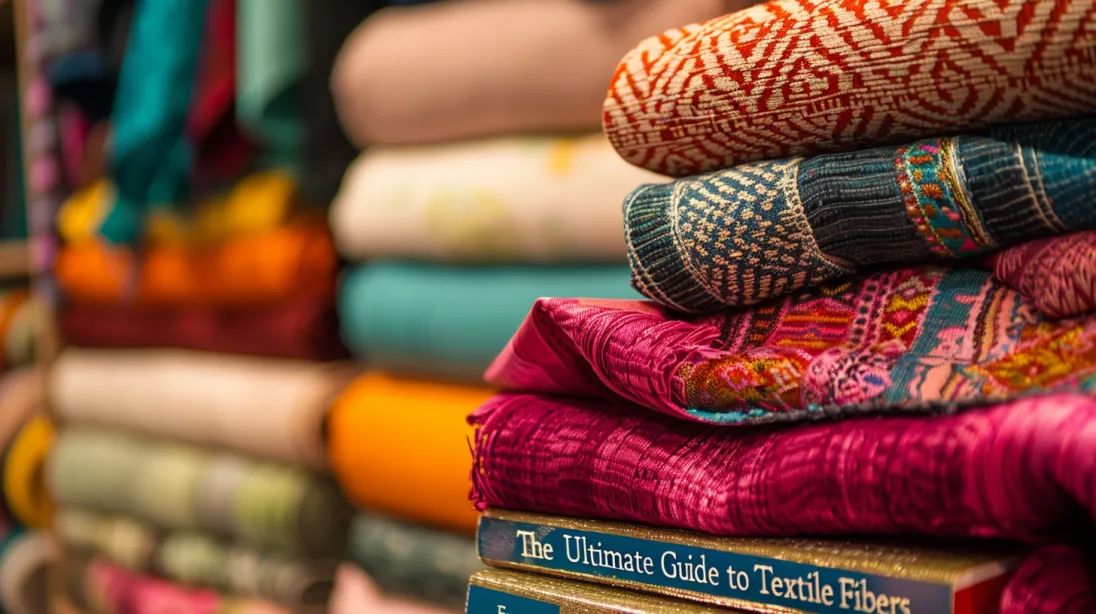
Ultimate Guide to Textile Fibers in Arizona
Fabric & Furniture Guides, Arizona Home Care
The Arizona Homeowner’s Ultimate Guide to Textile Fibers
Learn how different upholstery and rug fibers behave in Arizona’s sun, dust and indoor-outdoor lifestyle—and how Fiber-Seal helps you protect and maintain them for years of beautiful use.

Protect Your Fabrics in the Arizona Sun
Understand your fibers, then protect them with expert care
Why Textile Fibers Matter So Much in Arizona Homes
Whether you are choosing a sofa for a Scottsdale living room, a rug for a Paradise Valley entry or outdoor cushions for a Phoenix patio, every soft surface in your home starts with one essential element: fibers. These tiny, hair-like strands are spun into yarns, then woven, knitted or tufted into the fabrics and floor coverings you live with every day. The type of fiber determines how a textile looks, feels, wears—and critically—how it should be cleaned, protected and maintained.
In Arizona, that knowledge is even more important. Intense UV exposure, fine desert dust, pets, pools and an indoor-outdoor lifestyle all put extra stress on furnishings. Some fibers handle those conditions gracefully. Others are beautiful but demanding, and can be permanently altered by the wrong cleaning method or too much sun. Understanding the basics helps you make smarter selections—and know when to call a professional like Fiber-Seal for help.
The Four Major Families of Textile Fibers
While there are hundreds of fabric variations, most residential furnishings are built from four primary fiber families:
Natural cellulosic fibers: cotton, linen, sisal, jute, coir, seagrass
Protein fibers: wool, silk, mohair, cashmere and other animal fibers
Manmade cellulosic fibers: rayon/viscose, acetate, triacetate
Synthetic fibers: polyester, nylon, acrylic, olefin
Each family comes with its own strengths, weaknesses and care requirements. Below, we’ll walk through what Arizona homeowners, interior designers, property managers and vacation rental hosts need to know about each one—plus how fabric protection and professional care from Fiber-Seal fit into the picture.
1. Natural Cellulosic Fibers: Beautiful but Absorbent
Cotton, Linen, Sisal, Jute, Coir and Seagrass
Natural cellulosic fibers are plant-based. Cotton and linen are common in upholstery and draperies, while sisal, jute, coir and seagrass are frequently used in rugs and other floor coverings. Their relaxed texture and organic look make them a favorite for Southwestern, coastal and contemporary interiors across Arizona.
However, these fibers are also highly absorbent. They readily soak up liquids and generally dry more slowly than synthetics. In our dry climate, that might sound like a minor concern, but when cleaning or dealing with spills, that absorbency can lead to issues like cellulosic browning—yellow or brown discoloration that can appear if too much moisture is used or fabrics dry unevenly.
Caring for Cotton and Linen in Arizona Homes
With proper testing and technique, cotton and linen can usually be cleaned successfully using either water-based or solvent-based methods. The challenge comes with undyed or lightly colored fabrics—like the cream, white and natural linen upholstery so popular in Arizona living rooms and bedrooms. These pieces may look simple, but they are not automatically “easy to clean” just because the fabric is light or appears undyed.
Too much moisture, the wrong cleaning chemistry or insufficient drying can cause permanent browning or water rings. Partnering with a professional like Fiber-Seal helps ensure your cotton and linen receive controlled, tested cleaning that respects the fiber’s limitations while still removing soil and spills effectively.
Arizona Sun Exposure and Natural Fibers
Most natural cellulosic fibers have only poor-to-average resistance to sunlight fading. That’s a serious consideration in homes with large windows, skylights or expansive sliding glass doors. A linen sectional beside a west-facing wall of glass in Phoenix will receive far more UV exposure than the same piece in a shaded room in another state.
Use window treatments and UV-filtering films to soften direct sun.
Consider thoughtful furniture placement to limit harsh exposure.
Remember that fabric protection does not stop fading; it primarily helps with spills and soiling, not UV damage.
💡 Pro Tip: If you love light-colored linen, combine UV protection on windows with professional fabric protection on the upholstery. You’ll help reduce both fading and permanent staining, extending the life of your investment.
2. Protein Fibers: Luxurious, Durable—and Sensitive to Chemistry
Wool, Silk, Mohair, Camel Hair and Cashmere
Protein fibers come from animals and include some of the most luxurious materials in interior design. Wool is common in high-quality rugs and carpet, while silk and mohair often appear in designer upholstery, pillows and specialty furnishings. These fibers can be exceptionally durable, but they require knowledgeable, gentle care.
Wool and Arizona’s Fine Desert Dust
Wool has a natural ability to hide soil. That sounds appealing, but it can be misleading. In Arizona, fine desert dust can work its way deep into a wool rug long before it looks dirty. Those tiny particles act abrasively, wearing against the fibers each time someone walks across the rug. Over time, this can dull colors and shorten the rug’s life.
The solution is consistent, thorough vacuuming—before the rug looks soiled. Fiber-Seal often recommends a regular maintenance schedule for wool rugs in Arizona homes, especially in higher-traffic areas or near exterior doors where dust is more prevalent.
Cleaning Protein Fibers Safely
Protein fibers do not respond well to highly alkaline cleaners. The wrong chemistry can cause color loss, texture changes or damage to delicate finishes. Wool and mohair are absorbent and may dry slowly, while silk requires especially careful handling and often reduced moisture. Specialty constructions—such as mohair velvet or embossed silk—may call for solvent-based professional cleaning rather than traditional wet methods.
📌 Key Takeaway: The most expensive fabric in the room is often the least forgiving of cleaning mistakes. Always test products in an inconspicuous area—or better yet, let Fiber-Seal handle cleaning of wool, silk and mohair for you.
Arizona Sun and Silk: A Delicate Combination
Silk is particularly vulnerable in our bright, sunny environment. Dyed silk can fade significantly under strong sunlight, while natural white or off-white silk may yellow over time. Direct sun accelerates both changes. For silk draperies, accent chairs or pillows near windows, consider:
UV-filtering window films or lined window treatments
Rotating cushions and accessories occasionally to encourage more even aging
Professional protection and cleaning to minimize staining and maintain luster
3. Manmade Cellulosic Fibers: Rayon, Viscose, Acetate and Triacetate
Manmade cellulosic fibers are created from plant-derived cellulose that is heavily processed. Rayon—often labeled as viscose—is the most common in home furnishings. Its silky sheen and soft hand have made it extremely popular in upholstery and especially in area rugs. You may also see it marketed as “bamboo silk,” “art silk” or even “banana silk,” names that sound eco-friendly and luxurious but do not change the underlying fiber’s behavior.
Why Rayon Requires Special Care
Rayon can lose a significant amount of its strength when wet. Moisture and agitation together can lead to:
Shrinking, shading and crushing of the pile
Fraying, shedding and texture changes
Yellowing, especially when moisture reaches cellulosic foundation materials
A relatively small spill on a rayon rug can sometimes create a disproportionately large problem if it is not handled correctly. Pile-constructed rayon is also prone to shading, where fibers lay in different directions after moisture and pressure, causing the area to reflect light differently. Even after the stain is removed, the affected spot can look like a permanent mark simply because the texture changed.
⚠️ Warning: Internet advice often recommends household products like vinegar for “all-purpose” stain removal. On rayon or viscose rugs, those DIY treatments can lead to permanent shading or yellowing. When in doubt, blot gently and call Fiber-Seal before experimenting.
4. Synthetic Fibers: Durable Workhorses for Busy Arizona Spaces
Polyester, Nylon, Acrylic and Olefin
Synthetic fibers include some of the most durable and cleanable textiles available today. Polyester, nylon, acrylic and olefin are generally less absorbent than natural fibers, and they tend to dry quickly. These traits have made synthetics the backbone of many performance fabrics and outdoor textiles—categories that are especially relevant in Arizona, where spills, sunscreen, pool water and dust are part of everyday life.
Why Synthetic Fabrics Work Well in Arizona
Our indoor-outdoor lifestyle means furnishings frequently encounter:
Sunscreen, pool chemicals and body oils
Food and drink spills from entertaining on patios and in great rooms
Pets moving freely between yard and sofa
Fine dust carried in from walkways and landscaping
Performance-oriented synthetic textiles are often engineered for better resistance to staining, fading, moisture, mildew, abrasion and everyday wear. That makes them excellent candidates for family rooms, kids’ spaces, vacation rentals and outdoor seating. Still, “performance” does not mean “indestructible.” Oils, soil and residues can accumulate over time, dulling colors and attracting more dirt. Regular maintenance and professional cleaning from Fiber-Seal keep these fabrics looking their best.
5. Solution-Dyed Fabrics: A Smart Choice for Sun-Soaked Spaces
Among synthetic options, solution-dyed fabrics deserve special attention for Arizona homes. Instead of adding color to the outside of a finished fiber, pigment is incorporated into the fiber itself during production. The result is color that runs all the way through—similar to a carrot rather than a radish—with exceptional resistance to fading.
For patio furniture, poolside chaises, outdoor sectionals and even indoor pieces that receive strong sun, solution-dyed polyester or acrylic can be an excellent choice. They stand up well to UV exposure, moisture and frequent use, while still benefiting from professional fabric protection and routine cleaning to guard against sunscreen, food and environmental soil.

Solution-dyed performance fabrics keep outdoor seating vibrant despite intense Arizona sun.
6. Fiber Blends: When the Most Delicate Fiber Sets the Rules
Most modern textiles are not made from a single fiber. A sofa might combine cotton and polyester. A designer rug may blend wool and viscose. Upholstery could pair linen with rayon for a specific look and hand. While blends can offer aesthetic and performance advantages, they also complicate cleaning and care decisions.
Unfortunately, the strongest fiber in a blend does not automatically control how the textile behaves during cleaning. In many cases, the most sensitive fiber dictates what is safe. Adding rayon to an otherwise durable fabric, for example, can introduce many of rayon’s moisture-related challenges, even if the tag also lists robust fibers like polyester or wool.
Construction matters as well:
A flat-woven rug behaves differently from a tufted rug with a latex backing.
Velvet upholstery responds differently than a standard woven fabric, even if the fiber content is similar.
Hand-knotted rugs present different cleaning considerations than machine-made pieces.
This is why professional textile care involves far more than reading “polyester” or “cotton” on a label. Fiber-Seal technicians evaluate both fiber content and construction before recommending protection or cleaning methods, helping to prevent avoidable damage and preserve your investment.
7. Choosing the Best Fibers for Arizona Homes
There is no single “best” fiber for every situation. Instead, think in terms of location, lifestyle and expectations. A fabric that is perfect in a formal sitting room may be impractical in a busy family space or a vacation rental that sees heavy turnover and unpredictable use.
Formal Spaces with Limited Use
In a rarely used living room or a formal dining space, luxury natural fibers such as linen, silk and wool can be entirely appropriate. Here, the priority is often beauty and hand-feel rather than maximum durability. Professional fabric protection from Fiber-Seal adds an important layer of insurance, helping to guard against the occasional spill or mishap that might otherwise leave a permanent mark on these more delicate textiles.
High-Use Family Rooms and Kid-Friendly Areas
In family rooms, media spaces and children’s play areas, durable performance textiles often make life significantly easier. Solution-dyed polyester, high-quality nylon and other performance-rated synthetics offer strong stain resistance and cleanability, especially when paired with professional protection and a sensible maintenance plan. For rugs in these areas, consider sturdy wool or well-constructed synthetic pieces rather than rayon-heavy designs that are more vulnerable to moisture and wear.
Outdoor and Indoor-Outdoor Living Spaces
For patios, pool decks and indoor-outdoor rooms with large openings to the exterior, solution-dyed synthetic fabrics shine. They are designed to handle sunlight, moisture and frequent use better than most natural fibers. When protected and cleaned correctly, they help you enjoy your outdoor spaces without constant worry about fading cushions or permanent stains from sunscreen and beverages.
Entryways, Hallways and Vacation Rentals
For rugs near primary entrances and in high-traffic corridors, soil resistance and cleanability often matter more than ultimate softness. In vacation rentals and investment properties, furnishings may experience heavier and less predictable use. Here, durable synthetics or robust wools, thoughtfully chosen and professionally protected, can help reduce replacement costs and keep spaces guest-ready longer between deep cleanings.
💡 Pro Tip: The best textile is not always the most expensive one—it is the one that fits its environment. Fiber-Seal can partner with you and your designer to review fabric selections before installation, helping you balance aesthetics with practical care needs.
8. How Fabric Protection Fits In
No textile fiber is completely stain-proof. Even the most advanced performance fabric can be stained if a spill is left to soak or if the wrong product is applied. Professional fabric protection is designed to reduce the absorbency of many soft surfaces, giving you valuable time to address spills before they penetrate deeply or bond permanently with the fibers.
Fiber-Seal evaluates each textile before treatment, considering its fiber content, construction and usage. The goal is to select an appropriate protection system and care approach for:
Upholstered furniture and dining chairs
Area rugs and wall-to-wall carpet
Ottomans, benches and fabric headboards
Window treatments and decorative textiles
Outdoor furnishings and commercial upholstery
Protection is only part of the Fiber-Seal promise. Once your furnishings are treated, you receive ongoing care assistance—including guidance for everyday spills and complimentary professional spot-cleaning help when needed. That combination of prevention and responsive service is what allows many clients to enjoy their interiors more freely, with less day-to-day worry about accidents.
Know Your Fibers Before You Clean
One of the most common mistakes in fabric care is assuming that all upholstery and rugs can be cleaned the same way. They cannot. The method that works beautifully on solution-dyed polyester could permanently distort rayon. A product that is safe for cotton may be inappropriate for wool. Excessive moisture on a linen sofa may cause browning even as it removes a stain.
Before you aggressively treat a spill or reach for a multipurpose cleaner, it is worth knowing what you are working with. At Fiber-Seal, understanding textiles is fundamental to what we do. We help Arizona homeowners, interior designers, property managers, vacation rental hosts and businesses throughout the Valley protect, clean and maintain their furnishings—from everyday performance fabrics to fine linen, wool, silk and specialty textiles.
📌 Key Takeaway: The right care decisions can dramatically extend the life of your furnishings, reduce replacement costs and support more sustainable, eco-responsible interiors.
Enjoy Your Arizona Home with Confidence
Arizona is a beautiful but demanding environment for textiles. Intense sun, dust and an active lifestyle can be hard on even the finest furnishings. By understanding the fibers in your home—natural cellulosic, protein, manmade cellulosic, synthetic, solution-dyed and blends—you can make informed choices about what to buy, where to place it and how to care for it over time.
Fiber-Seal is committed to helping you enjoy your interiors worry-free, with services designed to protect and maintain your investment in a professional, eco-responsible and trustworthy way. From brand-new installations to long-loved heirloom pieces, our goal is simple: help your furnishings look better and last longer—especially in the unique conditions of the Arizona desert.
Have questions about a particular fabric, rug or piece of furniture in your home, design project or property portfolio? Contact Fiber-Seal today to schedule your consultation and protect your furnishings so you can enjoy every room with confidence.