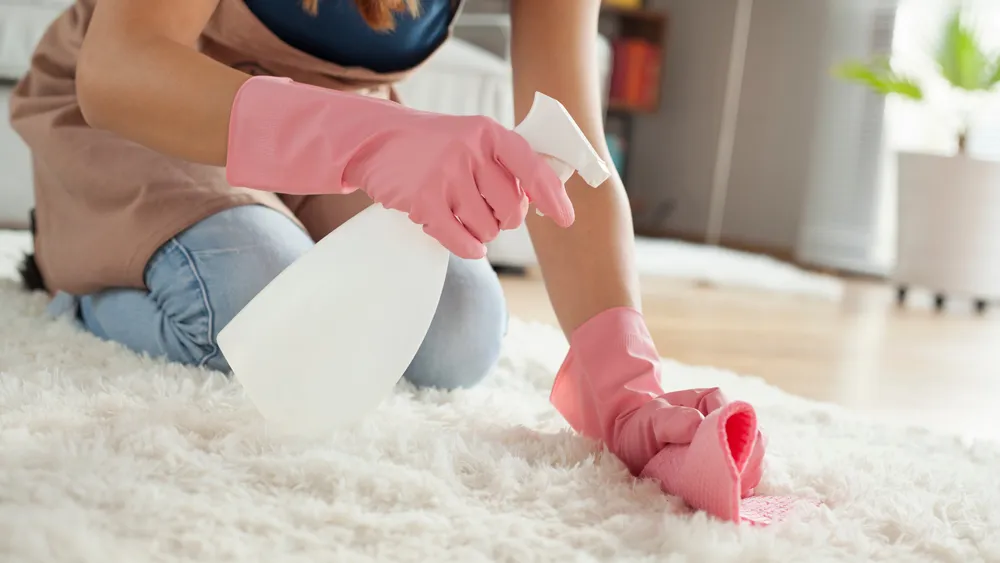
DIY Upholstery Cleaner Risks & Safe Alternatives
Cleaning & Stain Removal, Upholstery Care, Arizona Homes
DIY Upholstery Cleaner: The Risks Involved (and Safer Alternatives)
DIY cleaning tips are everywhere online, but when it comes to your upholstery and rugs—especially in demanding environments like Arizona—those “miracle” homemade cleaners can do more harm than good. Understanding the risks before you reach for water, vinegar, or dish soap can save you from permanent damage and costly replacements. This guide explains why upholstery is so easy to ruin, why there is no one-size-fits-all cleaner, and when to call trusted professionals such as Fiber-Seal of Arizona for safe, expert care and long-term protection.
Protect Your Upholstery Before You Attempt DIY Cleaning
Understand the risks, then choose professional care for peace of mind
Why DIY Upholstery Cleaning Is Riskier Than It Looks
Upholstery is not like hard flooring or even most clothing. Sofas, dining chairs, headboards, and area rugs are made from a wide range of fibers, blends, dyes, and construction methods. What safely cleans one piece can permanently damage another. That is the core problem with DIY upholstery cleaning: you are often working with unknown fibers and unknown dye systems, using products that were never designed for them.
Online tutorials and social media posts rarely mention fiber content, cleaning codes, or dye stability. Instead, they promote “universal” recipes—like vinegar and baking soda—that may work on a small subset of fabrics but can cause shrinkage, browning, dye bleeding, or texture changes on many others. Once that damage happens, even a professional cleaner may not be able to reverse it fully. That is why brands like Fiber-Seal emphasize prevention, protection, and professional care over trial-and-error home experiments.
There Is No Universal Upholstery Cleaner
One of the most important truths about upholstery care is this: there is no single cleaner that is safe and effective for every fabric. Upholstery can be made from natural fibers (cotton, linen, wool, silk), synthetics (polyester, acrylic, nylon), or semi-synthetics (rayon, viscose, modal), as well as countless blends. Each group responds differently to water, pH levels, solvents, and mechanical action like brushing or scrubbing.
Cotton and linen can be absorbent and prone to water rings and browning if over-wetted.
Wool and silk are sensitive to high-pH cleaners and heat, and can shrink or felt.
Rayon and viscose are extremely delicate when wet and can distort or lose texture.
Polyester and acrylic may resist some stains but can react badly to strong solvents or heat.
A cleaner that is safe for a durable, solution-dyed synthetic on an outdoor cushion might be completely inappropriate for a delicate viscose velvet on an indoor accent chair. This is why professional fabric care services, including Fiber-Seal of Arizona, always identify fiber type and construction before choosing a cleaning method or product.
Always Start with Vacuuming—Before Any Moisture or Cleaner
The safest, most effective first step in upholstery care is also the simplest: thorough vacuuming. Dry soil—dust, grit, sand, and pet hair—acts like fine sandpaper on fibers. If you add water or a cleaning product on top of this soil, you create mud that can work deeper into the fabric, abrade the fibers, and leave dark lines or rings as it dries.
Before attempting any DIY spot treatment:
Use a vacuum with an upholstery attachment and gentle suction.
Vacuum seams, crevices, and under cushions where grit accumulates.
Remove as much dry soil as possible before introducing any moisture.
In Arizona, where desert dust is a constant, this step is even more critical. Regular vacuuming dramatically extends the life and appearance of your furnishings and makes any future professional cleaning more successful.
The Hidden Dangers of Water and High-pH Cleaners
Water seems harmless, but on upholstery it can be surprisingly destructive. Over-wetting can cause:
Water rings where the edges of the damp area dry darker or lighter than the rest of the fabric.
Browning from cellulosic fibers (like cotton, linen, or rayon) as natural components wick to the surface and oxidize.
Shrinkage or distortion of sensitive fibers and backing materials.
High-pH cleaners—products that are more alkaline—add another layer of risk. Many household degreasers, laundry detergents, and some DIY recipes fall into this category. On upholstery, high-pH solutions can:
Strip finishes or protective coatings from the fabric surface.
Weaken natural fibers, making them more prone to wear and breakage.
Cause color shift or dulling, especially on wool, silk, and some dyes.
Professional cleaners carefully control moisture levels, pH, and drying times. They also use specialized tools to extract as much solution as possible. With DIY methods, moisture often soaks into cushions and backing layers, where it can linger, leading to odors, mildew, or wavy, distorted cushions.
Dye Bleeding: When Colors Migrate and Mix
Another major risk of DIY upholstery cleaning is dye bleeding. Not all dyes are “colorfast,” and even high-end fabrics can bleed when exposed to the wrong combination of water, heat, and cleaning chemistry. This is especially true for:
Deep or vivid colors (navy, red, black, emerald).
Multi-colored patterns where one shade may be less stable than another.
Hand-dyed or artisanal textiles.
When dyes bleed, they can migrate into adjacent areas, turning crisp patterns muddy or creating halos of color around a treated spot. Once dye has moved, it is extremely difficult—and often impossible—to restore the original appearance. Fiber-Seal technicians routinely perform dye stability tests before cleaning, so they can adjust methods or recommend alternative solutions to avoid these problems.
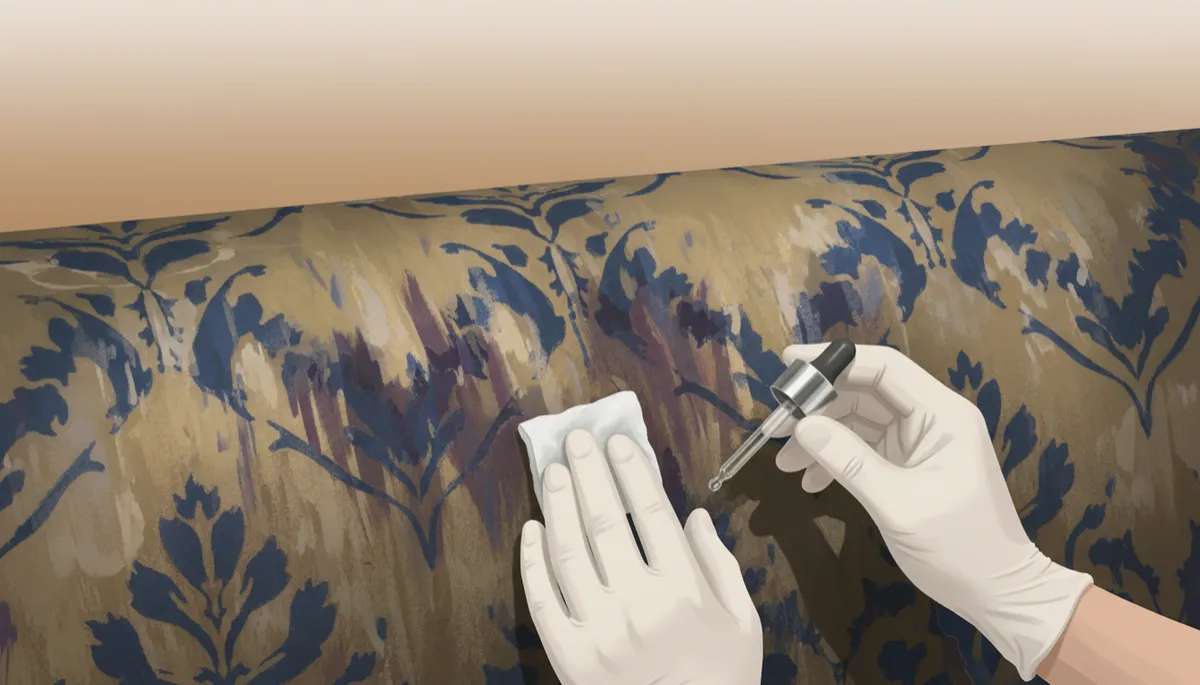
Quick DIY fixes can cause permanent dye damage that even experts may not fully reverse.
Rayon and Viscose: Beautiful but Extremely Delicate Fibers
Rayons and viscose fabrics are popular in luxury upholstery because they can mimic the look and feel of silk or velvet at a more accessible price point. Unfortunately, they are also among the most challenging fibers to clean safely, especially with DIY methods. When these fibers get wet, they lose much of their strength and can:
Distort or “crush,” losing their original pile or sheen.
Develop stiff or brittle areas after drying if cleaned with the wrong chemistry.
Show permanent watermarking or texture changes where moisture was applied.
Many homeowners do not realize their “velvet” or “silky” fabric is actually a rayon or viscose blend. Without that knowledge, it is easy to follow a generic cleaning tip and end up with a permanently distorted armrest or cushion. Professional services like Fiber-Seal of Arizona are trained to recognize these fibers and use highly controlled, low-moisture techniques—or, in some cases, to recommend protection and very limited spot treatment only.
Test First: The Non-Negotiable Rule of Upholstery Cleaning
Whether you are using a store-bought upholstery cleaner or a solution recommended by a professional, always test first in an inconspicuous area. This simple step can reveal problems such as:
Color transfer onto a white cloth (a sign of unstable dyes).
Texture changes, stiffness, or fuzzing after drying.
Water rings or shading differences compared to untreated areas.
Apply a small amount of the product to a hidden seam or back panel, gently blot, and allow it to dry completely. If you see any negative change, stop and consult a professional. Fiber-Seal clients benefit from expert guidance and, in many cases, complimentary spot cleaning as part of ongoing service, eliminating the guesswork and risk of home testing altogether.
Why Bleach, Vinegar, Baking Soda, and Dish Soap Are Poor Choices for Upholstery
Many DIY recipes rely on common household ingredients that seem safe because we use them in kitchens and laundry rooms every day. On upholstery, however, they can be surprisingly harsh and unpredictable:
Bleach (including “oxygen” or chlorine bleach) can strip color, weaken fibers, and leave lightened spots that cannot be recolored. Even diluted bleach is rarely appropriate for indoor upholstery or rugs.
Vinegar is acidic. While it can cut some residues, it can also destabilize dyes, react with certain fibers, and leave a lingering odor. It does not magically “neutralize” all stains, despite popular claims.
Baking soda is abrasive and can be difficult to remove completely from textured fabrics. Residue left in fibers can attract more soil, leaving areas that look dull or gray over time.
Dish soap is formulated to be rinsed away with a large volume of water. On upholstery, it often leaves a sticky residue that attracts dirt, creating a darker, more noticeable spot in the long run.
In short, the fact that an ingredient is “natural” or found in your kitchen does not make it safe for your sofa. Upholstery requires products designed specifically for its unique construction and soil conditions—and, ideally, applied by trained professionals who understand how to use them safely.
Unique Upholstery Challenges in Arizona Homes
Arizona presents a special set of challenges for upholstery and rugs. The climate, lifestyle, and design preferences common in the region all influence how furnishings age and how they should be maintained. Fiber-Seal of Arizona works with these conditions every day and tailors care plans accordingly.
Desert Dust and Fine Grit
Desert dust is extremely fine and pervasive. It settles on every surface, including soft furnishings, and quickly works its way into fibers. Over time, this grit can:
Dull colors and patterns, making fabrics look tired before their time.
Increase abrasion, especially in high-use areas like seat cushions and arms.
Regular, careful vacuuming and periodic professional cleaning are essential to remove this embedded soil without damaging the fabric. DIY wet cleaning on dusty upholstery can create permanent muddy stains or rings.
Light-Colored Fabrics and Sun-Filled Interiors
Many Arizona homes favor light, neutral upholstery to keep interiors bright and cool. While beautiful, these fabrics show soil, spills, and even minor cleaning marks more readily than darker tones. Sun exposure through large windows can also weaken fibers and fade dyes, making them more vulnerable to aggressive DIY cleaning attempts.
Professional fabric protection, like that offered by Fiber-Seal, helps light-colored furnishings resist stains and makes everyday soil easier to remove without harsh products. It is a vital first line of defense in sun-drenched Arizona rooms.
Indoor-Outdoor Living and Vacation Rentals
Sliding doors, patios, and pools blur the line between indoors and outdoors in many Arizona properties. While this lifestyle is appealing, it also means:
More tracked-in dust, sunscreen, and pool water on indoor furniture and rugs.
Higher soil loads on indoor-outdoor textiles that still require careful care.
Vacation rentals add another layer of risk. Guests may not be as careful as homeowners, and accidental spills are common. Well-meaning hosts often attempt quick DIY fixes between bookings, sometimes turning a manageable spot into a permanent stain or damaged area. Establishing a relationship with a professional service like Fiber-Seal of Arizona gives property managers rapid, expert support when accidents happen—and helps protect furnishings in advance to reduce the impact of inevitable mishaps.
Step-by-Step: How to Handle Spills Safely at Home
While complex stains and delicate fabrics should be left to professionals, there are safe, basic steps you can take immediately when a spill occurs. Acting calmly and correctly can prevent a small accident from becoming a major problem:
Blot, do not rub. Use a clean, white, absorbent cloth or paper towel to gently blot up as much of the spill as possible. Press firmly but avoid scrubbing, which can push the stain deeper and damage fibers.
Work from the outside in. Blot around the edges of the spill first, moving toward the center. This helps prevent the stain from spreading into a larger circle.
Remove solids carefully. If there is food or debris, gently lift it off with a spoon or dull knife. Avoid grinding it into the fabric.
Use minimal moisture, if any. If you must use water, lightly dampen a white cloth and continue blotting—never saturate the area. On many fabrics, especially rayon, viscose, or unknown blends, it is safer to stop after blotting and call a professional like Fiber-Seal of Arizona for guidance.
Avoid kitchen concoctions. Resist the urge to reach for vinegar, baking soda, dish soap, or bleach. These can cause permanent damage that far outweighs the original spill.
Call for professional advice. Especially for valuable pieces, light-colored fabrics, or vacation rentals with upcoming guests, contact Fiber-Seal of Arizona as soon as possible. Quick, expert intervention often leads to the best results.
When to Stop DIY Efforts and Seek Professional Cleaning
A good rule of thumb: if you are unsure what the fabric is, what caused the stain, or what product to use, it is time to pause and call a professional. Specific situations that warrant expert help include:
High-value or designer furnishings where replacement would be costly or difficult.
Delicate fibers such as rayon, viscose, silk, or wool blends.
Large or set-in stains that have already dried or have been previously treated without success.
Musty odors or suspected moisture issues inside cushions or rugs, which may indicate hidden problems best handled with professional equipment.
Professional services like Fiber-Seal of Arizona combine fabric identification, specialized cleaning agents, controlled application, and thorough extraction to achieve results that are simply not possible with household tools. Just as importantly, they help you avoid the irreversible damage that can come from repeated DIY attempts.
The Long-Term Benefits of Professional Fabric Protection
The safest way to manage upholstery and rug care—especially in demanding Arizona environments—is to protect first, then maintain with professional support. Fabric protection treatments create an invisible barrier on fibers that helps repel spills and resist soil. This does not make furnishings “stain-proof,” but it does:
Give you more time to blot up spills before they penetrate deeply.
Make regular vacuuming more effective, as dust and grit release more easily.
Reduce the need for aggressive cleaning methods or harsh chemicals.
Fiber-Seal’s approach pairs this high-quality fabric protection with ongoing care and complimentary spot cleaning for clients. Instead of guessing which DIY cleaner might work, you gain a trusted partner who understands your specific furnishings, lifestyle, and Arizona’s unique conditions. The result is longer-lasting beauty, fewer emergencies, and greater peace of mind for homeowners, designers, and property managers alike.
Protecting Both Upholstery and Rugs: A Complete Soft-Surface Strategy
Upholstery and rugs work together to define the look and feel of your home. They are also exposed to many of the same risks: dust, spills, sun exposure, and heavy foot traffic. Treating them as a coordinated system—rather than as separate, occasional cleaning projects—delivers the best long-term results. Professional cleaning and protection help:
Maintain consistent color and appearance across all soft surfaces in a room.
Reduce allergens and embedded soils in the entire living environment, not just isolated pieces.
Extend the life of your investment furnishings, supporting sustainable, long-term use rather than frequent replacement.
For Arizona homes and vacation properties, where design often centers on beautiful textiles and layered textures, this holistic approach is especially valuable. Fiber-Seal of Arizona specializes in protecting and maintaining both upholstery and rugs, offering a single, trusted resource for all your fabric care needs.
Final Thoughts: Call Fiber-Seal of Arizona Before You DIY
DIY upholstery cleaning may seem convenient, but the risks are significant—especially with delicate fibers, light-colored fabrics, and Arizona’s challenging conditions. There is no universal cleaner that works safely on every fabric, and common household products like bleach, vinegar, baking soda, and dish soap can cause permanent damage. Water, high-pH cleaners, and untested solutions can lead to dye bleeding, water rings, texture changes, and even structural issues inside cushions and rugs.
Instead of guessing, partner with a professional fabric care company that understands your furnishings and your environment. Professional cleaning and protection from Fiber-Seal of Arizona help maintain the beauty and longevity of your upholstery and rugs, so you can enjoy your interiors worry-free. Before you attempt any complex cleaning task—or whenever you are uncertain about what to do next—contact Fiber-Seal for expert guidance and service tailored to your home, your fabrics, and your lifestyle.
Contact Fiber-Seal today to schedule your consultation and protect your furnishings—so the next time a spill happens, you have a trusted partner on your side instead of a risky DIY experiment.